The Invisible Layer That Decides Your Car's Resale Fate: What Buyers See Before the Paint
The Color Obsession That Misses the Point
Walk into any dealership and watch how buyers behave. They circle vehicles, deliberating over metallic silver versus pearl white, debating whether a deep navy will show dirt more readily than a charcoal gray. Color psychology is real, and paint choice does influence resale demand in measurable ways. However, the fixation on color frequently overshadows a far more consequential factor: the condition of the clear coat sitting on top of that paint.
At Appleton Car Detailing, we see this pattern consistently. Customers arrive convinced their vehicle's finish is in excellent shape because the color still looks vibrant under artificial lighting. What they have not noticed — and what every experienced appraiser will notice immediately — is that the clear coat protecting that color has already begun to fail.
Clear coat is not a cosmetic feature. It is a functional barrier, typically 1.5 to 2 mils thick, engineered to absorb ultraviolet radiation, resist chemical contamination, and provide the reflective depth that makes a finish look polished and new. When it degrades, the paint beneath it is fully exposed. At that point, no amount of waxing, polishing, or color-matching touch-up work will restore what has been lost.
How Clear Coat Degradation Actually Happens
The failure of clear coat is rarely dramatic. It does not happen overnight, and it rarely announces itself with obvious cracking or peeling in the early stages. Instead, it progresses through a sequence of subtle changes that most car owners either dismiss or fail to recognize entirely.
The first stage is oxidation. Prolonged exposure to ultraviolet light and atmospheric pollutants begins breaking down the molecular bonds within the clear coat. The surface loses its gloss and takes on a faintly chalky or milky appearance. At this stage, the damage is still largely reversible through professional compounding and polishing.
If left unaddressed, the oxidation advances. Micro-scratches accumulate from improper washing techniques, and the compromised surface becomes increasingly susceptible to chemical etching from bird droppings, tree sap, and acid rain — all of which are common environmental hazards for vehicles parked outdoors in Wisconsin throughout the year. What began as surface dullness becomes visible hazing, and the reflective quality of the finish deteriorates noticeably.
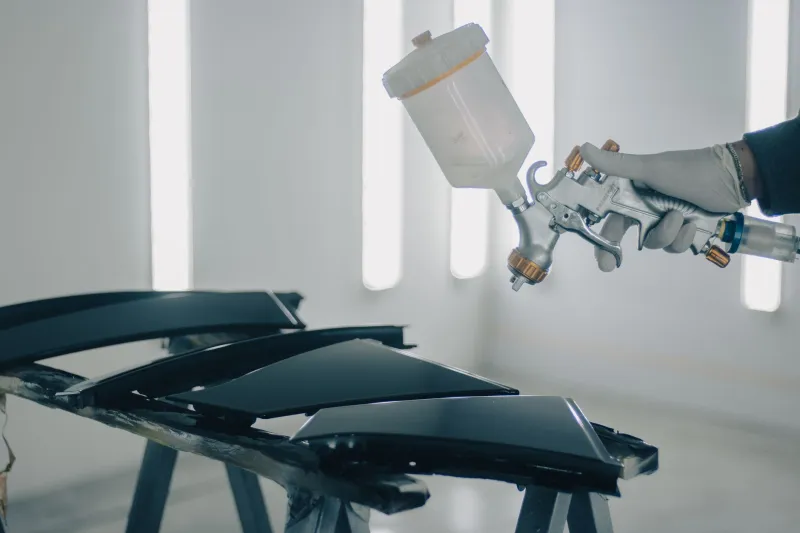
The final stage — clear coat delamination — is irreversible without a full respray. At this point, the clear coat physically separates from the base coat beneath it, peeling away in patches. No detailing service can remedy this condition. The only solution is a body shop.
What Appraisers and Buyers Examine That Most Owners Overlook
Professional vehicle appraisers are methodical. They do not simply glance at a car and form an impression. They follow a specific inspection protocol, and clear coat condition features prominently in that process.
The primary examination points include the horizontal surfaces — the hood, roof, and trunk lid — because these panels receive the most direct sun exposure and show degradation earliest. Appraisers examine these areas under natural light at a low angle, which reveals oxidation, hazing, and surface irregularities that are invisible under overhead artificial lighting. They also inspect the upper sections of doors and fenders, which are frequently neglected during amateur wash routines.
Beyond visual inspection, experienced buyers and appraisers will run a hand across the paint surface. A properly maintained clear coat feels smooth and slightly slick. A degraded surface feels rough, almost sandpaper-like in texture, because the protective layer has lost its integrity and accumulated embedded contaminants that washing alone cannot remove.
Amateur detailing efforts consistently miss these inspection points for a straightforward reason: they focus on visible cleanliness rather than surface condition. A car can be spotlessly clean and still have severely compromised clear coat. Appraisers understand this distinction. The average car owner typically does not — until the trade-in offer comes in well below expectations.
The Professional Approach to Clear Coat Preservation
Effective clear coat protection is not a single service performed once. It is a maintenance discipline that begins with understanding the current condition of the surface and selecting the appropriate protective treatment.
For vehicles with clear coat that remains intact and in good condition, the priority is establishing a durable barrier against the environmental stressors that cause degradation. This is where professional-grade ceramic coatings and paint sealants provide substantial value. Unlike consumer-grade waxes that break down within weeks, properly applied professional coatings bond to the clear coat surface and provide meaningful UV resistance and chemical protection for extended periods.
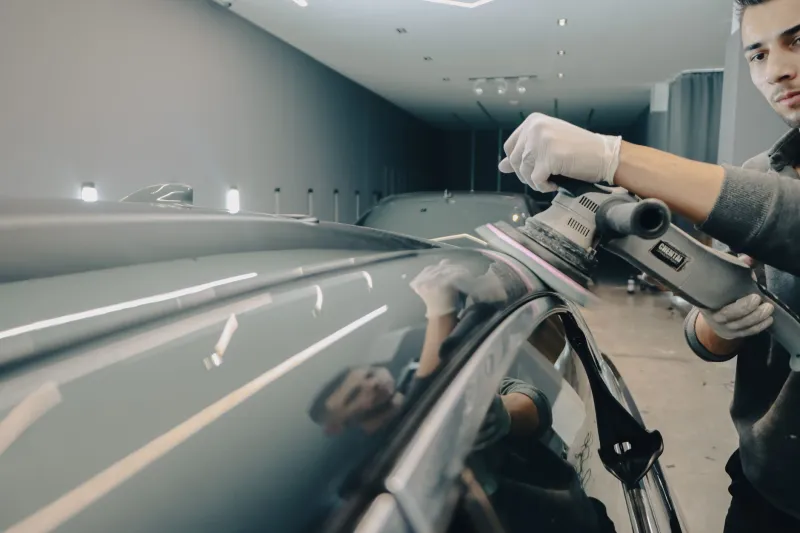
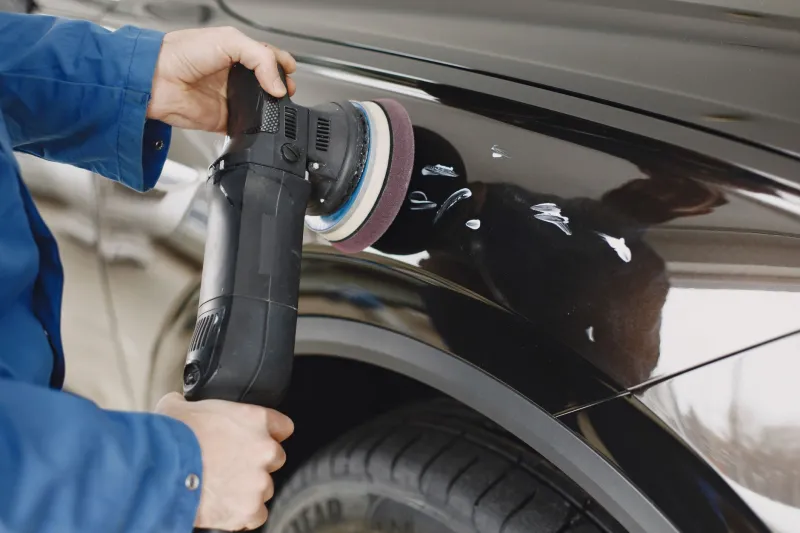
For vehicles showing early-stage oxidation or surface contamination, the process requires more intervention. A professional clay bar treatment removes embedded contaminants that create surface roughness and accelerate degradation. Depending on the severity of oxidation, machine polishing may be necessary to restore clarity and remove the compromised upper layer of clear coat before protection is applied. This is precision work. Applied incorrectly, polishing thins the clear coat further rather than restoring it.
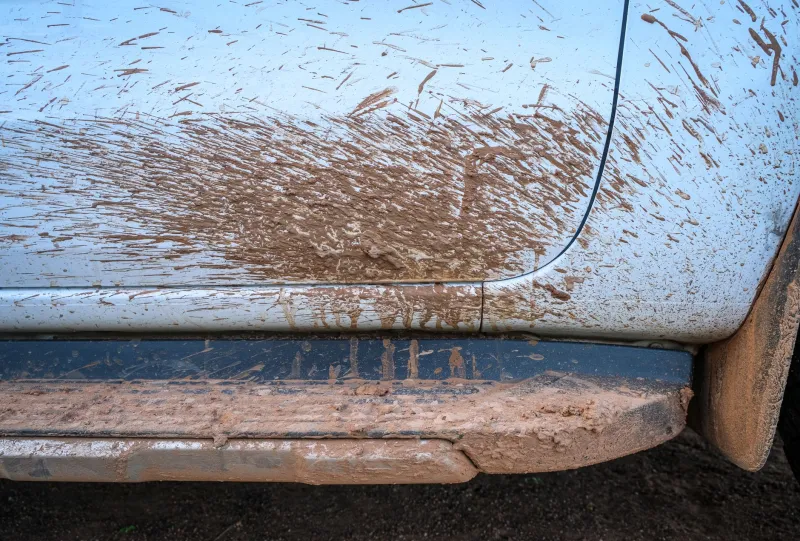
For Appleton-area vehicles specifically, the seasonal demands are significant. Wisconsin winters introduce road salt and chemical deicers that are highly corrosive to clear coat. Summer brings intense UV exposure and the biological hazards of tree sap and insect residue. A vehicle that receives no professional attention across multiple seasons accumulates damage rapidly.
Why Paint Color Is the Wrong Conversation
The data on resale value and vehicle color is well documented. Certain colors — neutral tones, white, silver, and black — consistently outperform unusual or highly polarizing choices at auction and on private sales. This is a legitimate consideration when purchasing a vehicle.
However, the condition differential between a white vehicle with pristine clear coat and a white vehicle with degraded clear coat is far more significant than the color differential between two cars in similar condition. A buyer will pay a premium for a finish that looks genuinely new. They will discount aggressively for one that looks tired, regardless of the underlying color.
The irony is that clear coat protection is among the most cost-effective investments a vehicle owner can make relative to the resale value it preserves. Professional paint protection applied at regular intervals costs a fraction of the depreciation accelerated by neglect.
The drivers who consistently achieve strong trade-in and private sale values are not necessarily those who chose the most popular colors. They are the ones who understood what appraisers actually look for — and made certain their vehicle was prepared accordingly.
If you are uncertain about the current condition of your vehicle's clear coat, a professional inspection is the appropriate starting point. The findings may be more informative than any color chart you have ever consulted.