Ceramic Coatings Don't Maintain Themselves: What the Industry Won't Tell You About Long-Term Care
The pitch is compelling, and it is everywhere. Apply a ceramic coating, and your vehicle gains a semi-permanent shield against contaminants, UV radiation, water spots, and the slow erosion of daily driving. The promise is real — ceramic coatings do provide measurable, lasting protection when properly applied. The problem is the word that follows in nearly every sales conversation: permanent.
For many car owners in Appleton and across the country, that word has become an expensive misunderstanding. A ceramic coating is not a one-time solution. It is a foundation — and like any foundation, it requires consistent attention to perform as intended. The drivers who treat their coated vehicles as maintenance-free are not preserving their investment. They are quietly dismantling it.
What a Ceramic Coating Actually Does — and What It Cannot
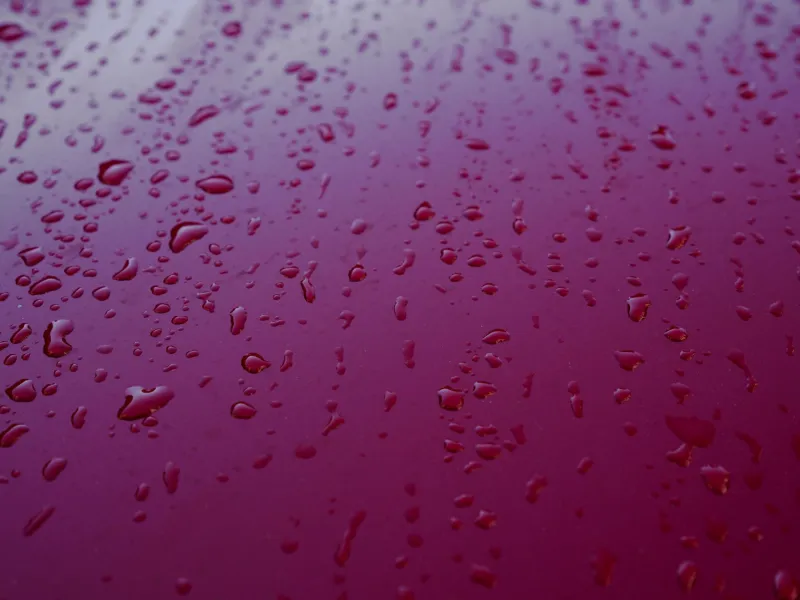
A professional-grade ceramic coating bonds to your vehicle's clear coat at a chemical level, creating a hydrophobic layer that repels water, resists light scratches, and blocks UV rays from penetrating the paint surface. The science behind this is legitimate, and the benefits are well-documented. A properly maintained coating can extend the life of your paint significantly while keeping the vehicle looking closer to showroom condition for longer.
But here is the critical distinction that marketing materials tend to obscure: a ceramic coating reduces the rate of contamination and damage. It does not eliminate it. Road grime, industrial fallout, bird droppings, tree sap, and hard water minerals still land on your vehicle every single day. What the coating provides is a surface that is easier to clean and slower to degrade — not one that cleans itself or remains immune indefinitely.
The hydrophobic properties that make coated surfaces so impressive in the first year are properties that must be actively maintained. Without proper care, those properties diminish, and the coating begins to fail in ways that are invisible until the damage is already done.
The Maintenance Schedule Most Owners Never Receive
When a vehicle receives a professional ceramic coating, the installer typically provides a care sheet. That document, often handed over quickly at pickup and rarely revisited, contains the actual requirements for keeping the coating functional. Most owners glance at it once and file it away. The result is a pattern of neglect that undermines the entire investment.
Here is what a properly maintained ceramic coating actually requires:
Regular washing — on a strict schedule. A coated vehicle should be hand-washed every two to four weeks, depending on driving conditions and exposure. Automated car washes with abrasive brushes are not appropriate for coated surfaces. The friction introduces swirl marks into the coating itself, reducing its clarity and compromising the protective layer.
pH-neutral, coating-safe products only. Standard car wash soaps — particularly those marketed as "all-in-one" formulas containing wax — can strip or interfere with the ceramic layer over time. Every product that contacts the surface should be verified as safe for ceramic-coated vehicles.
Decontamination treatments every six to twelve months. Even with regular washing, microscopic iron particles from brake dust and industrial fallout embed themselves into and around the coating. A professional iron decontamination treatment removes these deposits before they begin to oxidize and stain the surface beneath the coating.
Annual inspection and maintenance coating application. A professional detailer should inspect the coating's condition once per year. In many cases, a maintenance topper — a lighter ceramic or SiO2 spray — is applied to refresh the hydrophobic properties and fill in any areas where the coating has thinned. This is not optional maintenance; it is the difference between a coating that lasts seven years and one that fails in three.
Immediate attention to bird droppings and tree sap. These contaminants are acidic. A ceramic coating slows their penetration, but it does not stop it indefinitely. Bird droppings left on a coated surface for more than a day or two in warm weather can still etch through the coating and into the clear coat beneath. The coating buys time — it does not buy immunity.
What Neglect Actually Looks Like
The insidious quality of ceramic coating degradation is that it is gradual and largely invisible until a threshold is crossed. A driver who washes their coated vehicle infrequently, uses the wrong products, and skips annual inspections will not notice a dramatic change in the first year. The coating was designed to be durable, and it absorbs a significant amount of misuse before showing visible signs of failure.
By year two or three, however, the pattern becomes apparent. The water beading that once characterized the coating's performance begins to flatten. Contaminants that previously wiped away easily now require more effort. Micro-marring from improper washing accumulates, and the paint's clarity — that deep, wet gloss that made the coating worthwhile in the first place — begins to look hazy and tired.
By the time most owners recognize the problem, the coating has failed in multiple areas. Depending on the extent of the damage, restoration may require paint correction followed by a full reapplication — a cost that can easily reach several hundred to several thousand dollars, depending on the vehicle and the severity of the damage. The "permanent" protection that was supposed to save money has, through neglect, created an expense that proper maintenance would have prevented entirely.
The False Sense of Security Problem
Beyond the financial consequences, there is a psychological dimension worth addressing. Ceramic coatings are marketed with confidence — sometimes with an authority that implies the vehicle is now protected in a way that ordinary cars simply are not. For many owners, that messaging creates a genuine sense of security that discourages the very behaviors that would keep the coating effective.
This is not a criticism of ceramic coatings themselves. Applied correctly and maintained properly, they remain one of the most valuable protective investments available to vehicle owners. The issue is the gap between the promise and the reality — a gap that the detailing industry has a responsibility to close with honest, direct communication.
At Appleton Car Detailing, we believe that a ceramic coating is only as good as the care that follows it. Every vehicle we coat leaves our facility with a clear, specific maintenance plan — and we are available to our clients for annual inspections and maintenance treatments because we understand that the coating's performance is a reflection of our work long after the initial application.
What Proper Ownership Actually Looks Like
For drivers considering a ceramic coating, or for those who already have one and are reassessing their approach, the commitment is straightforward but non-negotiable. Treat the coating as a high-performance asset that rewards consistent attention. Schedule regular hand washes with appropriate products. Return to a professional detailer annually for inspection and maintenance. Address contaminants immediately rather than assuming the coating will absorb them indefinitely.
The difference between a ceramic coating that delivers on its promise and one that quietly fails is almost entirely a matter of owner behavior. The coating itself is ready to perform — but only for drivers who meet it halfway.