Ceramic Coatings Explained: Separating the Hype From the Real-World Value
The Promise Behind the Product
Walk into any auto parts store or browse any detailing forum, and you will encounter bold claims about ceramic coatings: years of protection, hydrophobic water beading, resistance to UV damage, and a gloss so deep it rivals a showroom finish. The enthusiasm is understandable. Ceramic coatings represent a genuine advancement in paint protection technology, and when properly applied, they do deliver meaningful benefits. The challenge for car owners is cutting through the marketing language to understand precisely what they are buying — and whether the investment makes sense for their specific situation.
At their core, ceramic coatings are liquid polymer solutions that chemically bond to a vehicle's clear coat. Once cured, they create a semi-permanent hydrophobic layer that repels water, contaminants, and light chemical exposure. Unlike traditional waxes, which sit on top of the paint and degrade within weeks, a quality ceramic coating becomes part of the surface itself. That distinction matters enormously when evaluating long-term value.
What the Numbers Actually Look Like
The cost conversation around ceramic coatings tends to generate more confusion than clarity, largely because the price range is so wide. Consumer-grade DIY kits are available for as little as $30 to $100. Professional-grade coatings applied by a trained detailer typically range from $500 to $2,000 or more, depending on vehicle size, paint condition, and the specific product used.
That gap demands explanation rather than dismissal.
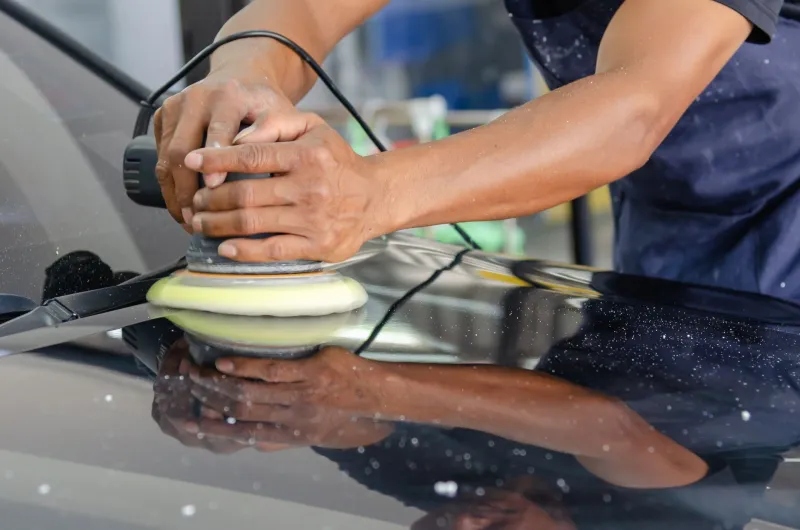
Professional applications are priced the way they are for several compounding reasons. First, paint correction — the process of removing swirl marks, light scratches, and oxidation — must occur before any coating is applied. Coating over imperfect paint does not hide defects; it seals them in permanently. A thorough paint correction service alone can require six to twelve hours of skilled labor. Second, professional-grade ceramic products are formulated at higher concentrations than consumer kits, offering greater hardness ratings and longer durability windows. Third, proper application requires controlled conditions, meticulous surface preparation, and a technician who understands the curing process.
DIY kits, by contrast, are engineered for ease of use rather than maximum performance. They are deliberately diluted to reduce the risk of high spots — the streaks and uneven patches that occur when ceramic coating is applied incorrectly. That dilution comes at a cost: shorter lifespan, reduced hardness, and less effective hydrophobic performance.
Durability Claims Under Scrutiny
Manufacturers routinely advertise ceramic coatings as lasting anywhere from two years to a lifetime. Both ends of that spectrum require context.
Consumer-grade products, when applied correctly and maintained properly, can realistically last one to two years before the hydrophobic properties begin to diminish. Professional coatings from reputable brands, applied by certified installers, commonly carry two-to-five-year warranties under normal driving conditions. Some premium products do claim longer windows, though real-world longevity depends heavily on environmental exposure, washing frequency, and whether the owner uses coating-safe maintenance products.
Appleton's climate presents a specific set of challenges worth acknowledging. Wisconsin winters bring road salt, freeze-thaw cycles, and prolonged exposure to moisture — all of which accelerate wear on unprotected paint. A properly applied ceramic coating adds a meaningful layer of chemical resistance during these months, reducing the etching and oxidation that salt and ice-melt products can cause.
The Maintenance Misconception
One of the most persistent myths surrounding ceramic coatings is that they eliminate the need for regular washing. They do not. A ceramic coating reduces the effort required to keep a vehicle clean and makes contaminants easier to remove, but it does not make a car self-cleaning. Allowing brake dust, bird droppings, tree sap, or industrial fallout to sit on a coated surface for extended periods can still cause damage, particularly if the vehicle is exposed to heat.
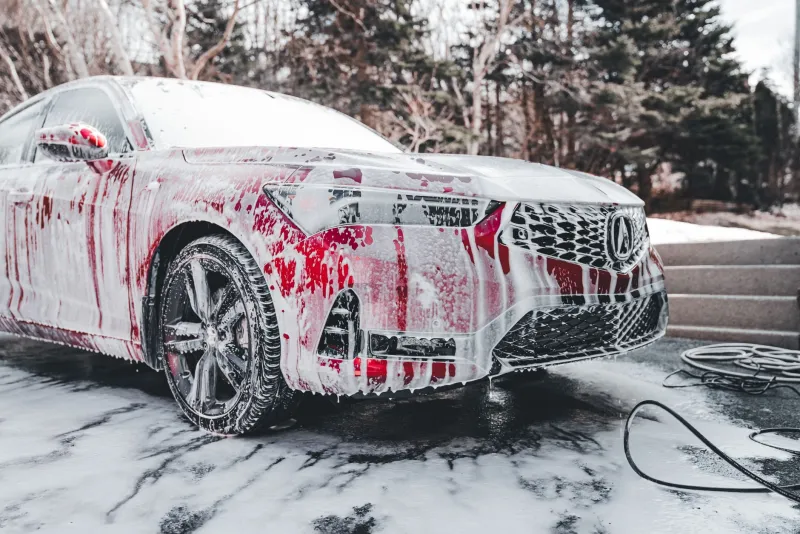
Maintenance for a ceramic-coated vehicle involves regular hand washing with pH-neutral soap, periodic inspections to confirm the hydrophobic layer remains active, and the occasional application of a coating-specific spray booster. Automatic car washes with abrasive brushes are strongly discouraged, as they introduce the swirl marks that detailing professionals spend considerable time removing before any coating application.
Professional Application Versus the DIY Route
For the mechanically inclined car owner who is willing to invest significant time in surface preparation, a quality DIY ceramic kit can provide a noticeable improvement over traditional wax. However, the margin between a properly executed professional application and a competent DIY attempt is substantial in practice.
The risks associated with DIY application are not trivial. High spots left on the surface after curing require aggressive polishing to remove, which defeats the purpose of the coating. Applying to paint that has not been fully corrected locks in imperfections. Using the wrong applicator, working in a dusty environment, or applying in direct sunlight can all compromise the final result in ways that are difficult or impossible to reverse without starting over.
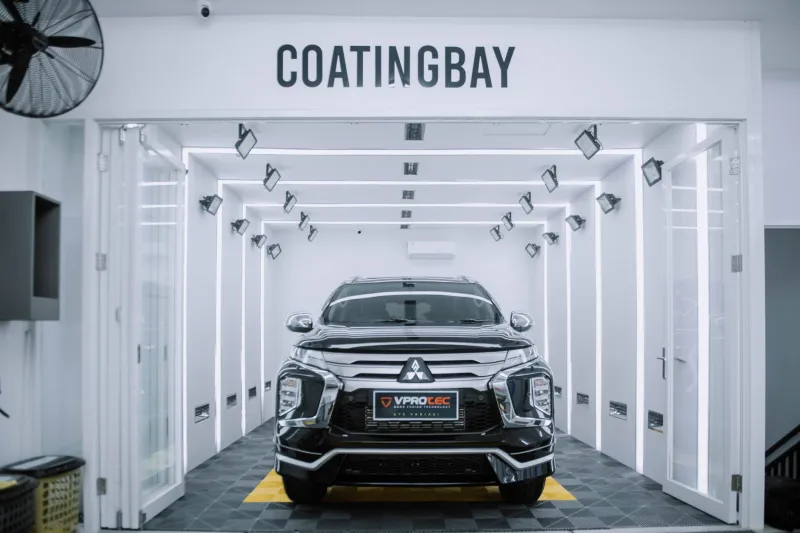
A professional detailing service eliminates those variables. The vehicle arrives, the paint is assessed, corrected to an appropriate level, and the coating is applied in a controlled environment by someone who has performed the process dozens or hundreds of times. The outcome is predictable. The warranty is enforceable. The finish is documented.
Making the Decision
For car owners who plan to keep their vehicle for three or more years, drive frequently in harsh conditions, or simply take genuine pride in maintaining their paint, professional ceramic coating represents a defensible investment. The protection it provides against environmental damage, the reduction in long-term detailing costs, and the sustained gloss it delivers make it a compelling option when evaluated over a multi-year horizon.
For those who change vehicles frequently, garage their cars year-round, or drive primarily in mild conditions, a high-quality paint sealant or traditional carnauba wax may offer sufficient protection at a fraction of the price.
The honest answer is that ceramic coatings are not universally the right choice — but for the right vehicle, the right owner, and the right application, they are among the most effective paint protection solutions currently available. The key is making that determination based on accurate information rather than marketing enthusiasm.