What a Professional Detailing Audit Reveals That Years of Ownership Have Trained You to Ignore
The Familiarity Problem Every Owner Faces
There is a particular kind of blindness that comes with ownership. It is not carelessness — it is adaptation. When you see your vehicle every day, your eye calibrates to its current state. Scratches that would alarm a stranger become invisible to you. Fading that was once jarring becomes the new normal. This is not a character flaw; it is how human perception works. But it is also precisely why a professional detailing audit carries value that no amount of personal vigilance can replicate.
At Appleton Car Detailing, the inspection process begins before a single product is applied. What many clients discover during that initial assessment is not that their vehicle is damaged beyond hope — it is that damage they had ceased to notice has been quietly compounding for months.
The Anatomy of a Professional Inspection
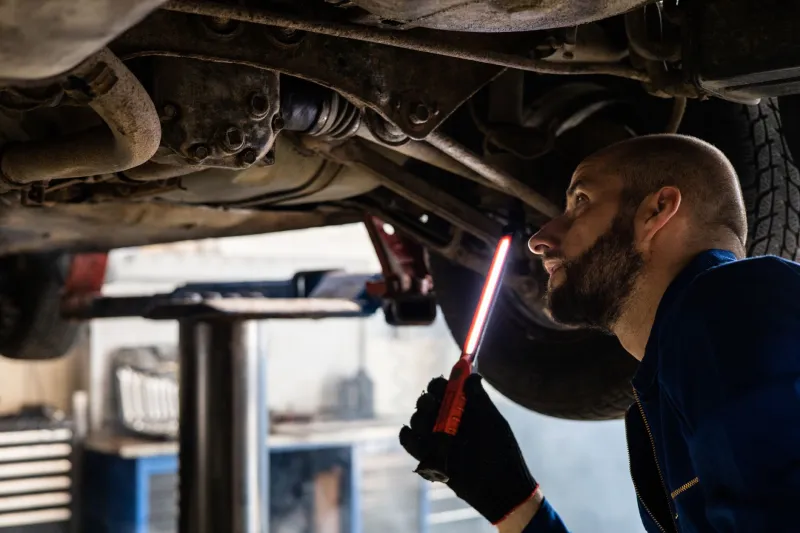
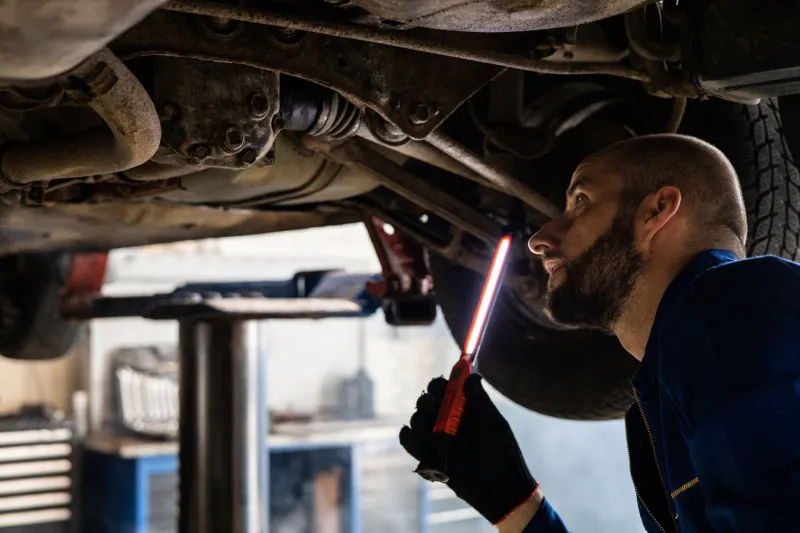
A professional detailing audit is not a glance around the vehicle with a flashlight. It is a structured, zone-by-zone evaluation that treats every panel, seam, and surface as a potential site of hidden deterioration. The methodology differs from a casual once-over in three fundamental ways: the lighting conditions used, the physical contact points assessed, and the sequence in which zones are examined.
Lighting is perhaps the most significant variable. Natural daylight, while useful, is inconsistent and directional. Professional detailers use a combination of direct LED lighting and rotary inspection lamps that can be angled obliquely across a panel surface. This raking light technique — sometimes called cross-lighting — causes surface imperfections to cast shadows that are otherwise invisible under ambient conditions. Swirl marks, fine scratches, water etching, and surface oxidation that appear nonexistent under a cloudy Wisconsin sky become unmistakable under proper inspection lighting.
The physical assessment follows a deliberate sequence. A trained detailer does not move randomly across the vehicle. They work panel by panel, beginning typically at the roof and moving systematically downward and outward. This sequence matters because paint defects often tell a directional story — understanding where damage originates helps identify whether it is the result of improper washing, environmental exposure, or mechanical contact.
What the Paint Is Actually Saying
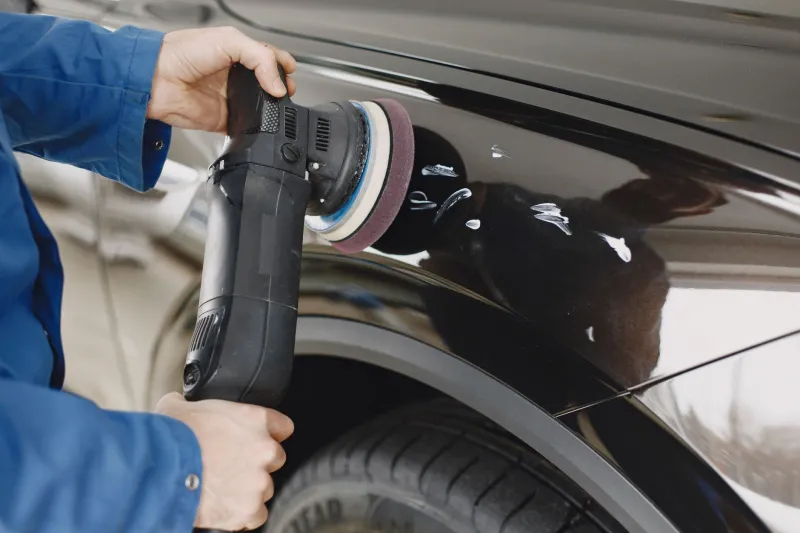
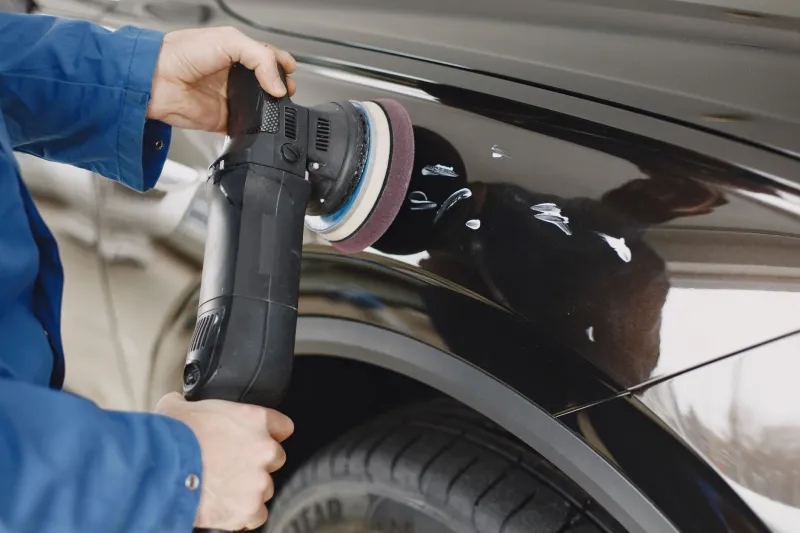
The clear coat on a modern vehicle is measured in microns. It is extraordinarily thin relative to the protection it provides, and it communicates its condition clearly to anyone who knows how to read it. A professional inspector uses a paint depth gauge to measure thickness at multiple points across each panel. Readings that deviate significantly from factory specification indicate one of two things: either the vehicle has been repainted in that area — a detail frequently omitted from dealer reports — or the clear coat has been aggressively compounded at some point, thinning the protective layer.
Beyond the gauge, texture assessment through touch is a standard component of a professional audit. Running a gloved or bare hand across a panel surface after cleaning reveals contamination that the eye cannot detect. Bonded industrial fallout, rail dust, and embedded brake particulate create a rough, almost sandpaper-like texture that persists beneath a visually clean surface. Owners who have never experienced the difference between contaminated and properly decontaminated paint are often surprised at what a clay bar treatment reveals was present all along.
Oxidation patterns, water spots, and acid etching each present differently under inspection lighting, and each implies a different remediation pathway. A professional audit distinguishes between these conditions rather than grouping them under the generic label of "paint damage." That distinction matters because the wrong correction approach applied to the wrong defect type can cause more harm than the original issue.
Interior Inspection: The Zones Most Owners Stop Seeing
The interior audit follows a similarly systematic structure, and it is often where the most surprising findings emerge. Owners spend hours inside their vehicles each week, yet the interior surfaces that receive the most wear are frequently the ones that go unexamined.
Door jambs and the lower sections of door panels accumulate contact wear, scuff marks, and cleaning product residue that is rarely visible unless the door is fully opened under direct light. Seat bolsters — the raised edges of seat cushions — show wear patterns that indicate both usage frequency and cleaning history. Leather that has been cleaned with inappropriate products develops a surface that appears intact but has lost its protective finish, leaving it vulnerable to cracking under Wisconsin's seasonal humidity fluctuations.
The headliner is another consistently overlooked surface. Fabric headliners absorb odors, accumulate skin oil transfer near grab handles, and occasionally show water staining from sunroof seal failures that owners have attributed to other causes. A professional inspector examines the headliner under direct light and notes any discoloration patterns that might indicate ongoing moisture intrusion rather than a historical, resolved event.
Carpeting and floor mats receive scrutiny not only for staining but for compression patterns and backing separation. Heavily compressed carpet under the driver's side floor mat can indicate moisture retention — a condition that, left unaddressed, creates the conditions for mold growth and persistent interior odors.
Wheels, Tires, and the Overlooked Perimeter
The wheel and tire inspection component of a professional audit is frequently the section that surprises owners most. Brake dust, if left on alloy wheels for extended periods, begins a chemical bonding process that standard washing cannot reverse. A professional inspector identifies the degree of contamination and whether it has reached the point of etching into the wheel's finish — a condition that affects both appearance and, eventually, the structural integrity of the surface coating.
Tire sidewalls reveal condition information beyond simple tread depth. Cracking, UV degradation, and blooming from petroleum-based dressing products all indicate the current state of the rubber compound and suggest how the tire has been maintained. In Wisconsin's climate, where temperature extremes accelerate rubber deterioration, this assessment carries practical safety implications alongside cosmetic ones.
Seal and trim inspection rounds out the perimeter evaluation. Window seals, door gaskets, and plastic trim pieces fade, harden, and crack in ways that owners rarely notice until a seal fails or trim becomes brittle enough to break. A professional audit documents current trim condition and identifies pieces that are approaching the threshold where protective treatment becomes less effective than replacement.
Why the Audit Changes the Conversation
The value of a professional detailing audit extends beyond the information it provides. It resets the owner's perception of their vehicle. After a structured inspection conducted by a trained professional, owners consistently report seeing their vehicle differently — not with alarm, but with clarity. They understand what they are maintaining, where the vulnerabilities are, and what interventions will provide the greatest return.
For Appleton drivers who take pride in their vehicles, that clarity is not a source of discouragement. It is the foundation of an informed maintenance strategy. A vehicle that has been professionally audited and treated accordingly does not simply look better — it is better, in measurable, documentable ways that matter at trade-in, at private sale, and in every mile between.