Sunlight Is Silently Stripping Your Paint: What Every Wisconsin Driver Needs to Know Before Summer Peaks
There is a certain irony in the fact that the season most people associate with clean, gleaming vehicles is also the season most responsible for destroying them. Summer in the Fox Valley brings long days, high UV indexes, and surface temperatures on vehicle paint that can exceed 180°F on a clear afternoon. For the average car owner, that combination is working against their vehicle's finish around the clock — often without a single visible warning sign until the damage is already done.
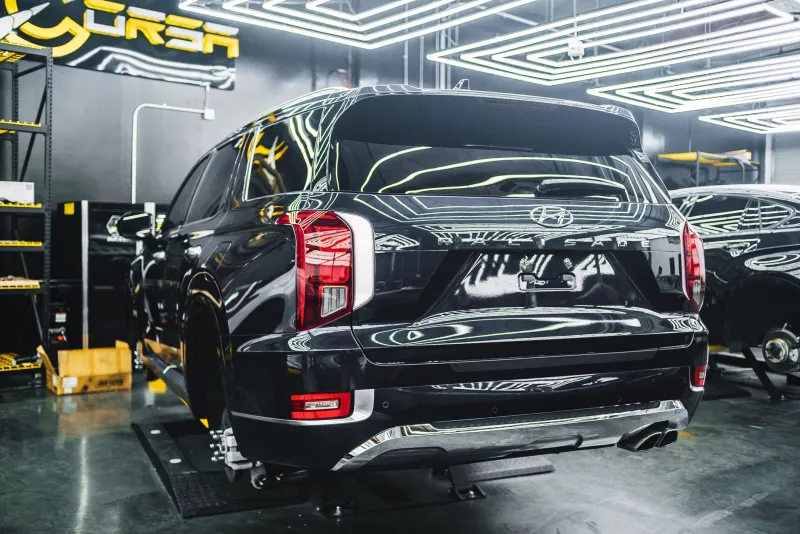
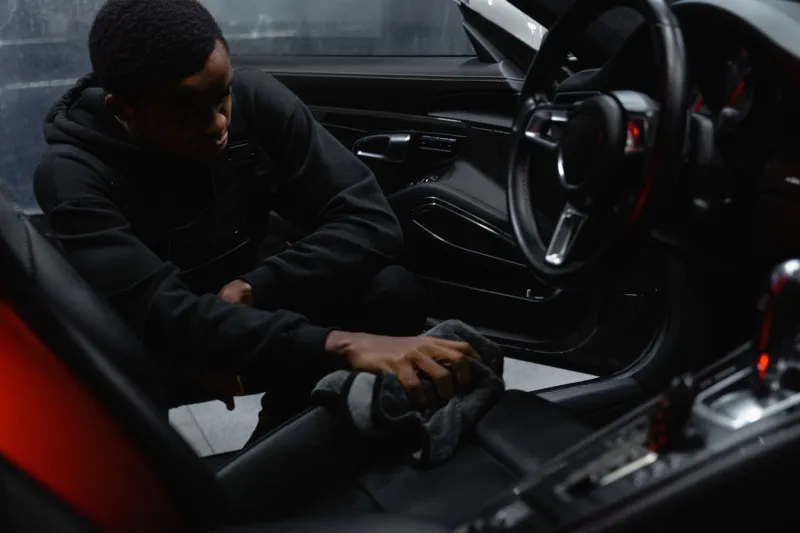
At Appleton Car Detailing, we see the consequences of summer UV exposure every single year. Vehicles that looked sharp in May arrive in our bays by September with chalky clearcoats, faded trim, and oxidized panels that require considerably more intervention than a simple wash and wax. The good news is that this deterioration is largely preventable. The first step is understanding precisely what is happening at the molecular level.
The Science of UV Damage: More Than Just Fading
Automotive paint is not a single layer — it is a carefully engineered system. Beneath the visible color coat sits a primer layer, and above it sits a clearcoat designed to absorb punishment so the color beneath does not have to. That clearcoat contains UV stabilizers, chemical compounds that sacrifice themselves to absorb ultraviolet radiation before it penetrates deeper.
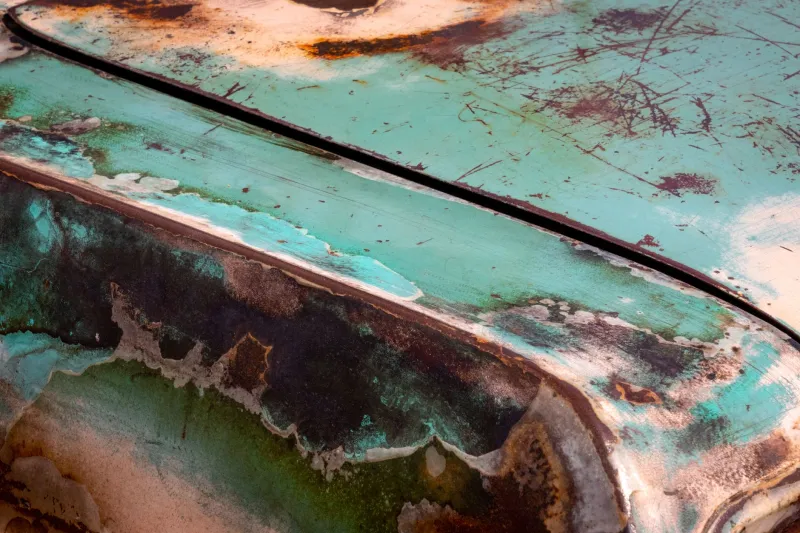
The problem is that those stabilizers are finite. With enough cumulative sun exposure, they become depleted. Once that threshold is crossed, UV rays begin breaking down the polymer chains within the paint itself. This process — photooxidation — causes the paint to lose its molecular cohesion. The result is what most people recognize as oxidation: a dull, chalky, almost powdery surface that no amount of washing will restore.
What makes summer particularly aggressive is not just UV intensity but the compounding effect of heat. High surface temperatures accelerate the chemical reactions involved in oxidation, meaning a vehicle parked in direct sunlight on an 85°F Appleton afternoon is aging its clearcoat at a rate that would take far longer in moderate temperatures. Thermal expansion and contraction also create microscopic stress fractures in the clearcoat over time, giving contaminants and moisture pathways to reach the underlying paint.
Why "Looking Fine" Is Not the Same as "Being Fine"
One of the most common misconceptions we encounter is the belief that a vehicle without visible fading or peeling is in good condition. In reality, UV damage is cumulative and largely invisible until it crosses a critical threshold. By the time oxidation becomes apparent to the naked eye, the clearcoat has already lost a significant portion of its protective capacity.
Think of it like sunburn on skin. The redness and peeling are symptoms of damage that occurred hours earlier, during exposure that felt harmless at the time. Your vehicle's paint operates on a similar delay — except the consequences are measured in resale value and restoration costs rather than discomfort.
Professional paint inspection, including examination under specialized lighting and paint depth gauges, can identify early-stage degradation that is entirely invisible in normal conditions. This is precisely why a pre-summer detailing appointment is far more valuable than most owners realize.
The Strategic Timing of Detailing Appointments
Not all detailing appointments are created equal, and timing them thoughtfully throughout the calendar year makes a measurable difference in long-term paint health.
Late Spring (May): This is the optimal window for applying protective coatings before UV intensity peaks. A vehicle that enters June with a freshly applied ceramic coating or high-quality paint sealant is dramatically better positioned than one relying on last fall's wax.
Midsummer (July): A midseason inspection and light decontamination can remove embedded industrial fallout, tree sap, and bird droppings — all of which accelerate paint degradation when baked onto a hot surface for extended periods.
Early Fall (September): As UV intensity begins to decline, this is an ideal time for paint correction work. Any oxidation or light scratching that accumulated over summer can be addressed before winter compounds the damage with road salt and freeze-thaw cycles.
Owners who follow this rhythm consistently report better paint condition over the lifetime of their vehicles and significantly lower remediation costs when they do eventually seek correction work.
Protective Coatings: Not a Luxury, a Calculated Investment
The protective coating market has matured considerably over the past decade. Where paste wax was once the standard — offering weeks of protection at best — today's professional-grade options operate on an entirely different level.
Ceramic coatings, for instance, bond chemically to the clearcoat and form a semi-permanent layer of silicon dioxide that reflects UV radiation, repels contaminants, and resists heat transfer to the underlying paint. A professionally applied ceramic coating from a qualified detailer can provide meaningful UV protection for two to five years, depending on the product and maintenance habits.
Paint Protection Film (PPF) takes a different approach, physically shielding the paint surface from both UV rays and physical abrasion. Applied to high-impact areas — the hood, front bumper, mirror caps, and door edges — it provides a level of protection that no coating alone can match.
The key distinction between professional application and consumer-grade alternatives is preparation. A coating applied over contaminated, oxidized, or improperly decontaminated paint will not bond correctly and will fail prematurely. Professional detailers perform a multi-stage paint preparation process before any protective product touches the vehicle, ensuring that the investment performs as intended.
Practical Steps for Summer Paint Preservation
Beyond scheduled professional appointments, there are daily habits that meaningfully reduce UV exposure and thermal stress on your vehicle's finish.
- Seek shade deliberately. Parking in a garage or under a covered structure during peak sun hours — typically 10 a.m. to 4 p.m. — reduces cumulative UV exposure significantly over an entire summer.
- Use a quality car cover for vehicles that must park outdoors overnight or for extended periods. UV-resistant covers add a meaningful layer of passive protection.
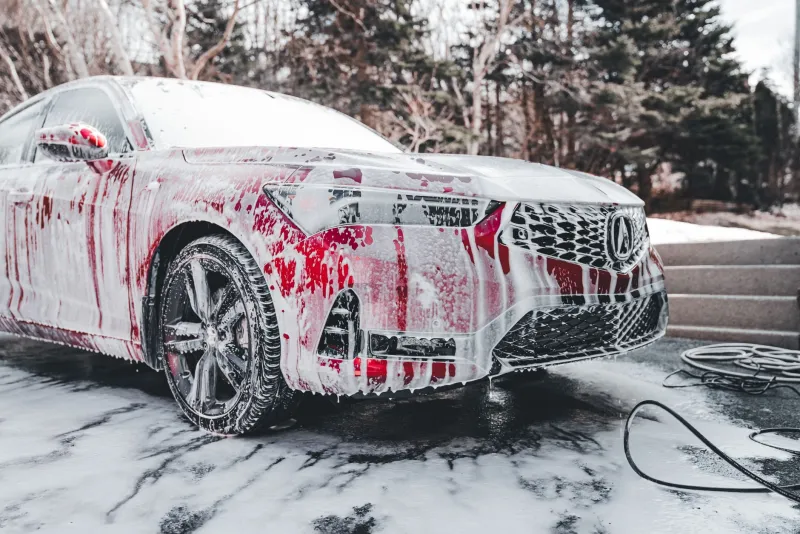
- Avoid automatic car washes that use abrasive brushes or harsh detergents, both of which strip protective coatings and introduce fine scratches that make paint more vulnerable to UV penetration.
- Address contamination promptly. Bird droppings and tree sap are acidic and become increasingly damaging the longer they remain on a hot painted surface. Removal within 24 hours is strongly advisable.
The Cost of Waiting
Owners who defer protective measures often do so with the intention of addressing paint care "when it becomes necessary." The challenge with UV damage is that by the time it becomes visibly necessary, the cost of correction has risen substantially. Light oxidation that can be resolved with a single-stage polish at a modest cost becomes severe oxidation requiring multi-stage correction — or in the worst cases, a repaint — within just one or two additional summers of neglect.
At Appleton Car Detailing, our approach is always prevention over remediation. A well-timed protective treatment applied before summer peaks costs a fraction of what paint correction costs after summer has done its worst. For Wisconsin drivers who take pride in their vehicles, that calculation is straightforward.
Summer is coming. Your vehicle's clearcoat is already counting down.