Why Generic Detailing Advice Fails Wisconsin Drivers: The Appleton Climate Case
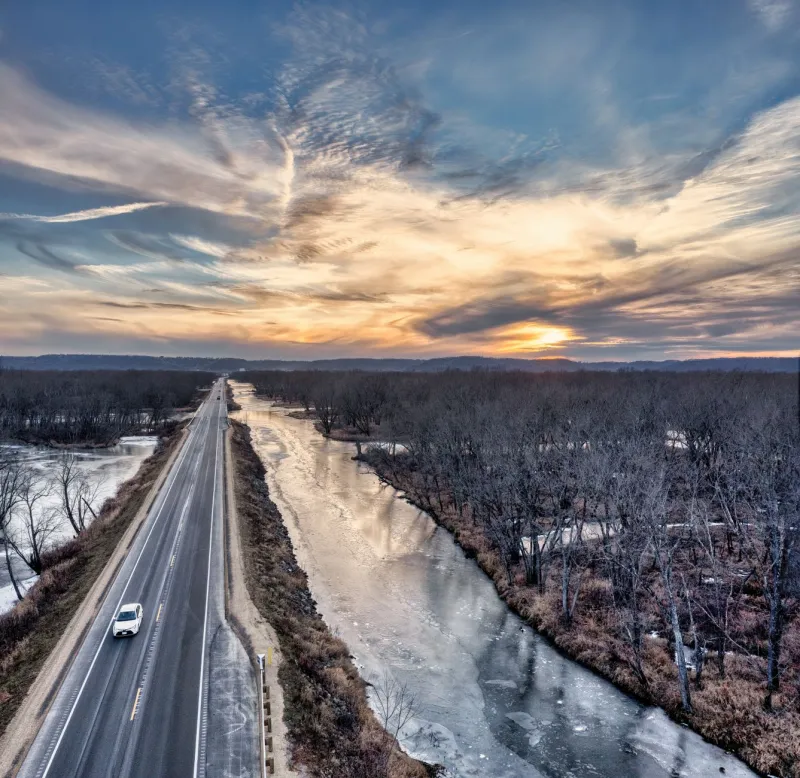
There is no shortage of detailing guidance available to American car owners. YouTube channels, automotive forums, and national publications produce volumes of content each year advising drivers on how to protect their vehicles. The problem, for those of us living and driving in Appleton, Wisconsin, is that virtually none of it was written with our roads, our winters, or our geography in mind.
Generic advice assumes a generic environment. Appleton does not offer one.
What this city delivers instead is a layered set of environmental challenges that interact with one another in ways that accelerate paint degradation, promote interior moisture damage, and quietly erode the condition of vehicles whose owners believe they are doing everything right. Understanding what makes Appleton distinct is not an academic exercise. It is the foundation of any detailing strategy that will actually hold up over time.
The Fox River Factor: Humidity as a Year-Round Threat
Appleton sits along the Fox River corridor, and that proximity carries consequences that most drivers underestimate. Elevated ambient humidity is not merely a summer phenomenon here. The river's influence extends through shoulder seasons, creating conditions where moisture lingers on paint surfaces, seeps into door seals, and finds its way into interior fabric and carpet systems far more readily than in drier climates.
When moisture sits on a vehicle's clear coat over extended periods, it does not simply evaporate without consequence. It promotes water spotting, accelerates oxidation in areas where the protective layer has already been compromised, and creates an environment where contaminants bond more aggressively to paint surfaces. A vehicle parked near the river corridor for even a few days without adequate paint protection is quietly accumulating damage that will require correction later.
The interior dimension of this problem is equally significant. High humidity environments are particularly unkind to leather seating, dashboard materials, and carpet underlayment. Without proper conditioning and moisture management, these materials degrade faster than manufacturer timelines suggest — because those timelines were not calibrated for Fox River proximity.
Road Salt: The Chemical Assault That Lasts Well Beyond Winter
Wisconsin winters are not mild, and Appleton's road maintenance practices reflect that reality. The city and surrounding Outagamie County apply substantial quantities of road salt throughout the winter months, and while that practice keeps roads passable, it introduces a persistent chemical threat to every vehicle on those roads.
The issue that most national guides fail to address is not the salt itself during winter — most drivers understand that snow and ice bring road treatment chemicals. The underappreciated problem is residual salt accumulation that persists well into spring. Salt embeds in wheel wells, migrates into undercarriage crevices, and settles into the fine surface texture of paint in concentrations that a basic car wash does not fully address.
When temperatures begin rising in March and April, that residual salt becomes chemically active again in the presence of spring moisture. Paint that appeared intact through the coldest months can begin showing the effects of oxidation and micro-corrosion precisely when owners assume the seasonal threat has passed. A professional spring decontamination process — one that includes chemical clay bar treatment and thorough undercarriage attention — is not optional in this environment. It is the difference between preserving a vehicle's finish and watching it decline ahead of schedule.
Summer UV Exposure: Underestimated at This Latitude
There is a tendency among Wisconsin drivers to associate UV paint damage primarily with Sun Belt states. That assumption is both understandable and consequential. While Appleton does not experience the sustained solar intensity of Arizona or Florida, summer UV exposure at this latitude is sufficient to degrade unprotected clear coat, fade interior plastics, and accelerate the breakdown of any paint protection product that has not been properly maintained.
The relevant factor is not just peak summer intensity. It is the cumulative UV load that builds across the warmer months combined with the thermal cycling that Wisconsin vehicles experience — moving from cold winter temperatures to summer heat and back again over the course of each year. This cycling stresses paint and protective coatings in ways that require periodic professional assessment to catch before visible deterioration sets in.
Vehicles that lack a properly applied and maintained sealant or ceramic coating entering the summer months are essentially absorbing that UV load directly into the clear coat. The fading and dullness that owners often attribute to age is, in many cases, the predictable result of insufficient protection during Appleton's summer season.
Local Road Conditions and Their Paint Consequences
Beyond chemical and environmental factors, the physical condition of Appleton-area roads introduces mechanical paint threats that generic guides do not account for. Freeze-thaw cycles degrade road surfaces over time, producing the kind of cracked and irregular pavement that generates road debris at a higher rate than well-maintained highways in milder climates.
Gravel displacement, pothole-related debris scatter, and the particulate matter that accumulates on road shoulders during the thaw period all contribute to a higher-than-average risk of paint chip and micro-scratch accumulation for local drivers. Vehicles traveling regularly on specific corridors — particularly those connecting Appleton to surrounding communities — absorb this kind of damage incrementally, often without the driver noticing until the paint surface shows visible deterioration.
Paint protection film applied to high-impact zones addresses this specific threat in ways that wax and sealant alone cannot. A professional detailer familiar with local driving patterns can identify the areas of a vehicle most vulnerable to road debris impact and prioritize protection accordingly.
Why a Local Strategy Requires Local Knowledge
The cumulative picture that emerges from Appleton's geography is one of compounding stressors. Humidity from the river corridor, road salt that outlasts the winter season, UV exposure that builds through the summer, and road debris generated by deteriorating pavement surfaces do not operate in isolation. They interact, each one making the vehicle more vulnerable to the effects of the others.
A detailing strategy built on national generalizations cannot account for this interaction. The timing of treatments, the selection of protective products, and the specific areas of the vehicle that require the most attention are all questions that a local professional is positioned to answer in ways that a generic guide simply is not.
For Appleton drivers, professional detailing is not an indulgence reserved for enthusiasts or collectors. It is a calibrated response to a specific environment — one that demands more from a vehicle's protective systems than most owners realize, and more from a detailing strategy than most national sources are equipped to provide.