Four Seasons, Four Strategies: A Wisconsin Driver's Year-Round Guide to Protecting Your Vehicle's Finish
Why Generic Detailing Advice Falls Short in Wisconsin
Pick up any mainstream automotive magazine or browse the top detailing forums, and the guidance tends to read as though every vehicle in America occupies the same climate. Wash regularly. Wax twice a year. Apply a coating in the fall. It is reasonable advice—for someone living in Phoenix or Charlotte.
For drivers in Appleton and the broader Fox Valley region, that generalized framework misses the mark in ways that carry real consequences. Wisconsin's climate is not merely cold in winter. It is chemically aggressive, thermally extreme, and seasonally unpredictable in ways that demand a more deliberate, regionally specific approach to vehicle care.
The four-season calendar that follows is built around the actual conditions Appleton vehicles face—not the national average.
January Through February: The Chemical Assault
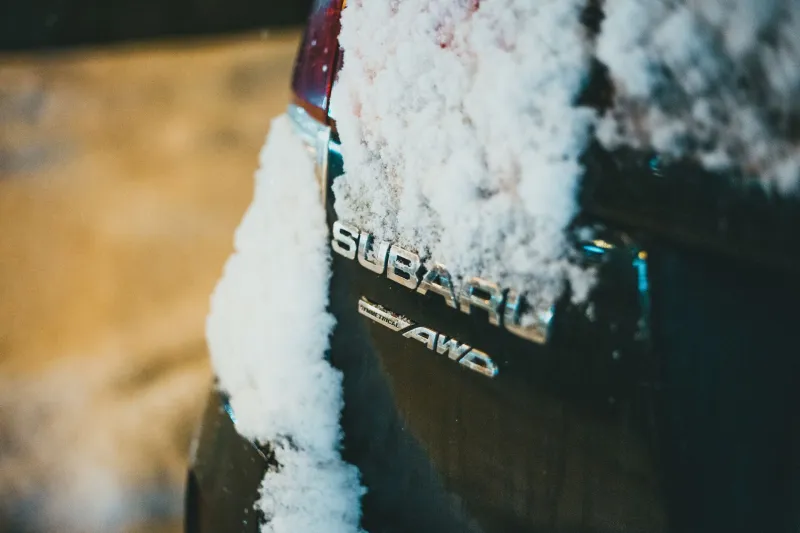
Wisconsin winters are not simply cold. They are corrosive. The Wisconsin Department of Transportation applies hundreds of thousands of tons of road salt each winter season, and the Fox Valley's road network is no exception. That salt does not merely sit on the road surface. It becomes aerosolized by traffic, adheres to vehicle underbodies, wheel wells, and lower body panels, and initiates an electrochemical reaction with bare or compromised metal that progresses continuously—even when temperatures drop below freezing.
During these months, the priority is not aesthetics. It is chemical management. Vehicles should receive thorough undercarriage rinses whenever temperatures allow, ideally after significant salt application events. Touchless or hand washing is preferable to automatic brush-style washes, which can introduce fine scratches to paint that is already stressed by cold-weather brittleness.
For vehicles without a ceramic coating already in place, a quality sealant applied before the first significant snowfall provides a meaningful barrier. Those with existing ceramic protection should verify that the coating remains intact and hydrophobic, as compromised sections allow salt brine direct access to clear coat.
March Through April: The Transition Window
The freeze-thaw cycle that characterizes late Wisconsin winters creates a specific and often overlooked hazard: contaminants that bonded to paint surfaces during cold months become mobilized as temperatures rise. This is not a passive process. As ice and slush cycle through repeated freeze-thaw events, they work abrasive road debris—sand, grit, and mineral particles used in winter traction management—against paint surfaces with mechanical force.
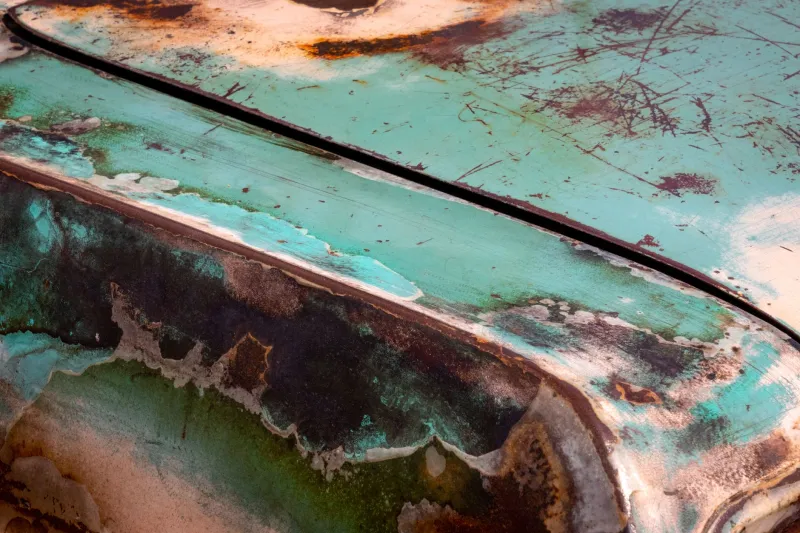
March and April represent a critical transition window. Once temperatures stabilize above freezing consistently, a thorough decontamination detail is essential. This goes beyond a standard wash. Chemical iron removers address the ferrous particles that road salt and brake dust deposit across paint surfaces. Clay bar treatment removes the embedded grit that washing alone cannot extract. A full inspection of the paint surface at this stage often reveals winter damage—micro-scratches, oxidation beginnings, and in some cases, areas where road chips have exposed primer or bare metal to further corrosion risk.
This is also the appropriate time to address any areas where winter washing has degraded existing paint protection. Reapplication of a sealant or a maintenance ceramic spray coating ensures that the vehicle enters the warmer months with a complete protective layer.
May Through August: UV Load and Heat Stress
National detailing content frequently treats UV protection as primarily a southern concern. In Wisconsin, the summer UV index regularly reaches levels that would surprise many residents. Appleton's position in the northern Midwest does not shield vehicles from significant solar radiation during peak summer months, and the combination of UV exposure and summer heat creates a distinct set of challenges.
Clear coat degradation from UV exposure is cumulative. Vehicles parked outdoors for extended periods during summer months accumulate UV damage that does not manifest visibly until oxidation begins to appear—often years later. Paint protection applied before peak summer provides the most meaningful defense.
Humidity is a secondary concern during Wisconsin summers. The Fox Valley's proximity to Lake Michigan and the Great Lakes system contributes to elevated summer humidity that accelerates the oxidation of any unprotected metal surfaces and promotes water spot formation on paint and glass. Vehicles should be dried thoroughly after washing rather than allowed to air dry, as mineral-laden water left on paint surfaces in direct sunlight can etch into clear coat within minutes.
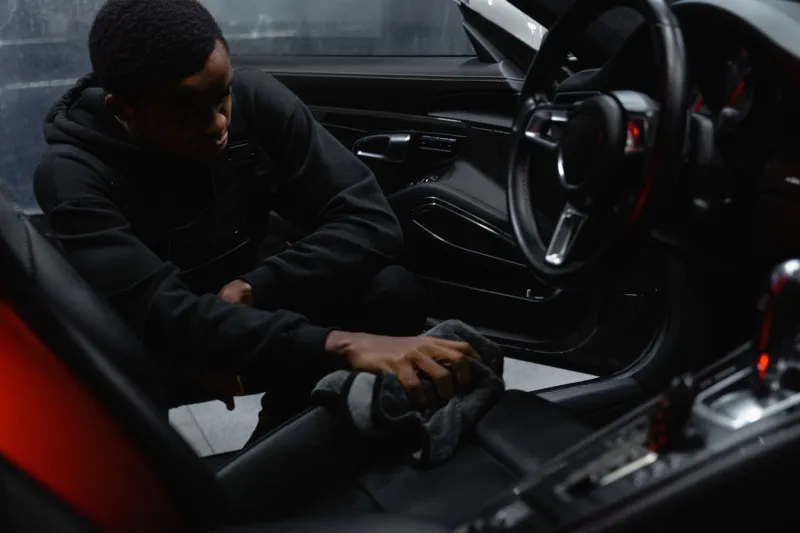
Interiors require attention during summer months as well. Dashboard surfaces, leather seating, and trim panels exposed to direct sunlight through unprotected windows accumulate heat that accelerates material degradation. UV-protective interior dressings and window tinting are both sound investments for Wisconsin summer conditions.
September Through October: The Preparation Imperative
Fall is the most consequential detailing season for Wisconsin vehicle owners, and it is the period most frequently treated as optional. The logic of fall preparation is straightforward: whatever protective measures are in place when the first road salt application occurs will determine how well the vehicle weathers the following five to six months.
A comprehensive fall detail should accomplish several objectives. Paint correction, if needed, should be completed before coating application, as colder temperatures significantly affect the curing characteristics of most ceramic and polymer-based products. A full decontamination removes summer's accumulated tree sap, insect residue, and industrial fallout before those contaminants are sealed under winter grime.
Wheel wells and undercarriage surfaces deserve particular attention. A thorough cleaning followed by application of an undercarriage protectant provides meaningful resistance to the salt brine that will accumulate throughout winter. This single step is among the highest-value interventions available to Wisconsin vehicle owners and among the most consistently overlooked.
November Through December: Monitoring and Maintenance
Once winter protection is in place and road salt season begins, the focus shifts from preparation to active monitoring. Vehicles should be inspected periodically for areas where protective coatings have failed, paint chips have occurred, or road debris has created new exposure points. Small chips addressed promptly with touch-up paint prevent the rust initiation that becomes expensive to correct once established.
Regular washing—even in winter—remains important. Allowing salt accumulation to persist for weeks at a time substantially increases the cumulative corrosive exposure that paint, metal, and rubber components experience. When temperatures allow, a thorough wash including undercarriage rinsing should occur at least every two to three weeks during active salting periods.
A Regional Approach to a Regional Problem
Vehicles in Appleton face a set of environmental challenges that simply do not exist in most of the country simultaneously. The combination of road salt corrosion, freeze-thaw mechanical stress, significant UV exposure, and humidity fluctuation across a single calendar year creates a compounding threat that generic detailing schedules are not designed to address.
A month-by-month regional strategy—built around Wisconsin's actual seasonal progression rather than a national average—is the most reliable framework for preserving a vehicle's appearance and structural integrity over time. For Fox Valley drivers who want to protect their investment through every season, professional guidance calibrated to local conditions is not a luxury. It is a practical necessity.